






August 25, 2026
Exterior design trends continue to evolve, but one thing remains constant: homeowners are looking more than ever for homes that feel warm, authentic, and timeless. In 2026, residential exteriors are defined by more natural colour palettes, richly textured materials, and architectural compositions that prioritize character.
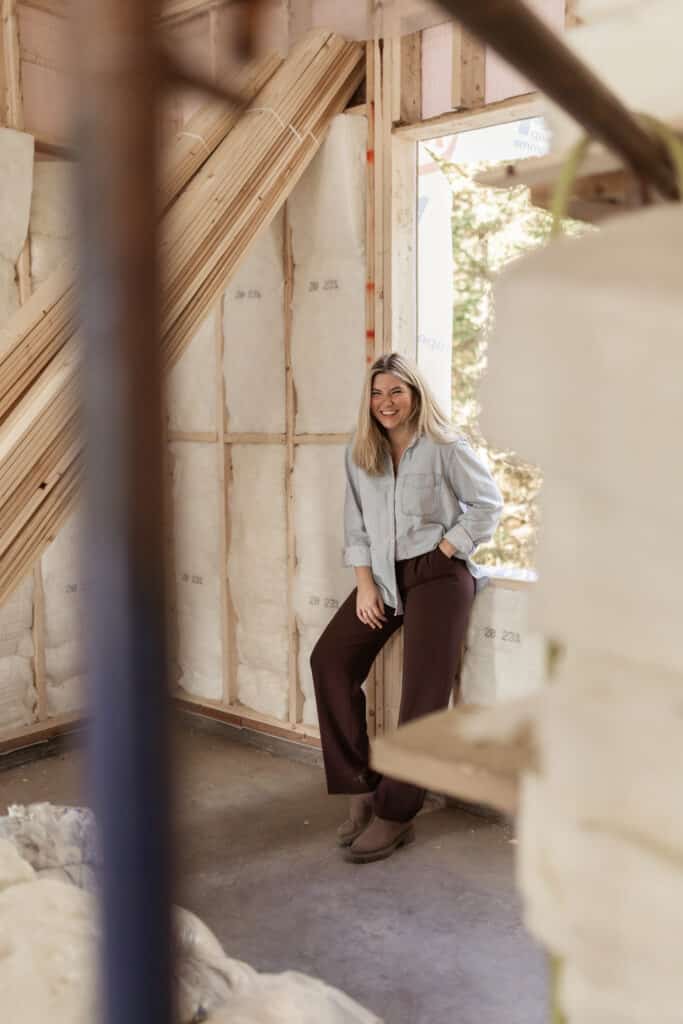
To better understand the styles that shaped 2026 and will continue to influence residential projects, we discussed with Jenn Larocque, Designer and Art Director at Drummond House Plans. The creative force behind several models in the Maibec x Drummond House Plans collection, Jenn closely follows changing homeowner preferences and the emerging influences shaping residential architecture.
According to Jenn, three major trends stand out in 2026: the reimagined farmhouse, the European English Country style, and the charm of the rustic cabin.
“These styles embrace warmth, authenticity, and rich textured materials more than ever.”
After several years dominated by minimalist palettes, trends are shifting toward more inviting and natural environments. Colours are becoming richer, textures are playing a larger role, and facades are telling stories through their materials and architectural details.
Let's explore the three trends that, according to Jenn Larocque, will inspire residential projects in 2026.
For several years, farmhouse style has dominated residential architecture trends. In 2026, this timeless aesthetic continues to evolve toward a warmer, more natural, and more refined interpretation.
According to Jenn Larocque, the dramatic contrasts that defined modern farmhouse designs in recent years are gradually giving way to softer, more enveloping colour palettes.
“We're moving away from the highly contrasted modern farmhouse style that was so popular, with its black windows and very light stone. Homeowners are now looking for a softer, warmer, and more timeless version.”
This new approach focuses on creating a home that feels comfortable and authentic. Materials blend more seamlessly together, colours become more nuanced, and the overall effect is a welcoming atmosphere that remains stylish for years to come.
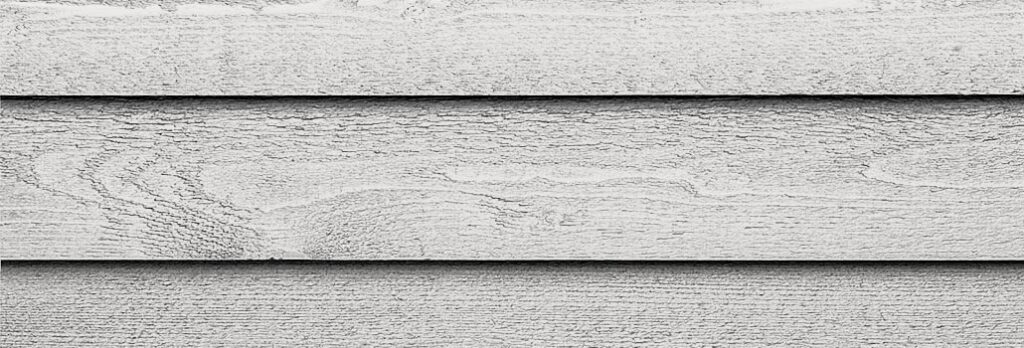
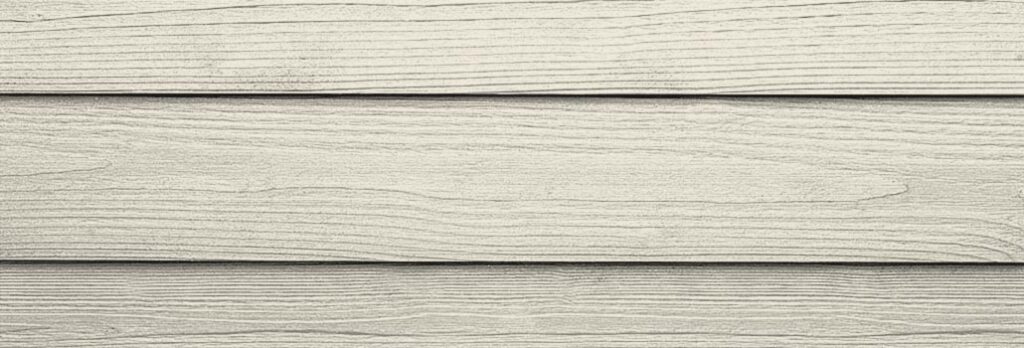
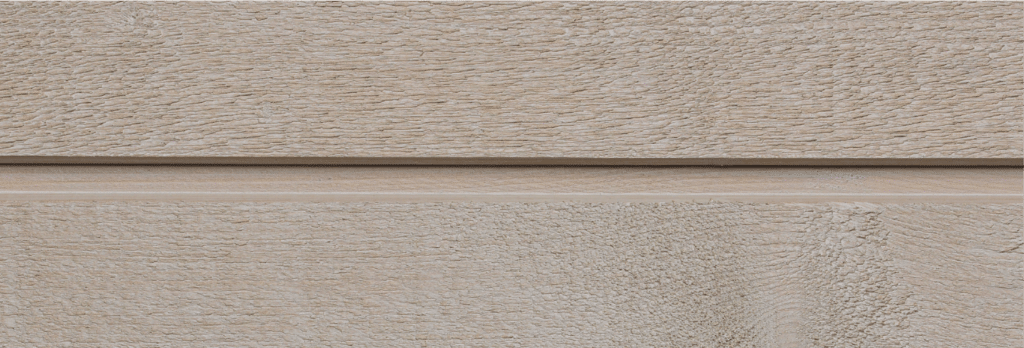
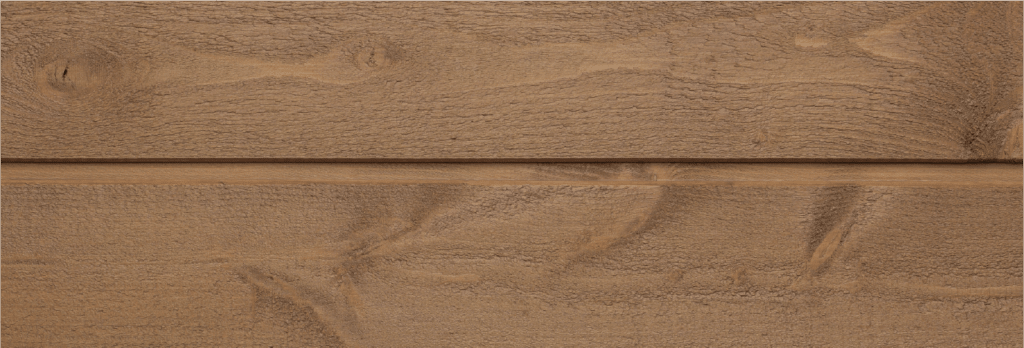
One of the most significant changes in the 2026 farmhouse aesthetic involves colour selection.
Bright, cool whites that were once extremely popular are gradually being replaced by softer shades featuring cream, beige, or warm gray undertones. This shift softens the overall appearance of the home and creates a more natural result.
Among Jenn Larocque's favorite Maibec colours, several stand out.
Sand Dune is particularly appealing thanks to its delicate gray-beige undertones, which add depth and warmth to the exterior envelope.
For homeowners seeking a more countryside-inspired look, Milk Paint is an especially attractive choice. Its subtle creamy undertone helps create a welcoming and authentic atmosphere that perfectly complements the farmhouse aesthetic.
Another Jenn favorite, White Mountains, offers the perfect balance between gray and warm white.
“I especially like pairing it with Sandbanks on gables, columns, or accents around the front entrance.”
This combination brings dimension to the facade while maintaining understated elegance and timeless appeal.
Beyond colour choices, the 2026 farmhouse style also stands out through its thoughtful use of materials and textures.
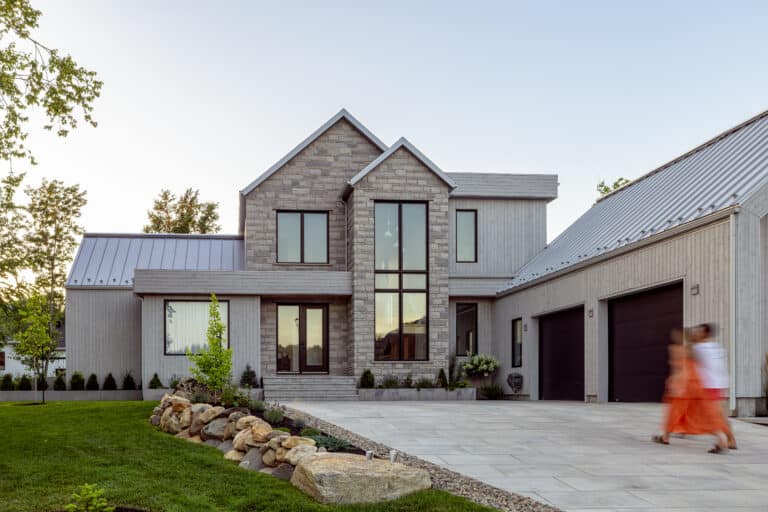
Gray-beige stone is becoming increasingly popular in residential projects. Its natural appearance complements the newer white palettes while creating a more subtle contrast than in previous years.
Among Jenn Larocque's favorite options are the Maibec Acenta Fastened Stone veneer products, particularly the Almond and Moorecrest shades from the Rosa model. These materials enrich facade by adding texture and depth, two essential elements in today's exterior design trends.
One of the greatest strengths of the modern farmhouse style is its versatility. Thanks to Maibec's extensive selection of whites and complementary materials, homeowners can personalize the look to reflect the character of their project.
“With the variety of whites available from Maibec, it's easy to adapt the farmhouse style to your own vision.”
Softer, more textured, and warmer than ever, the 2026 farmhouse trend proves it remains a timeless choice for creating a welcoming and enduring home.
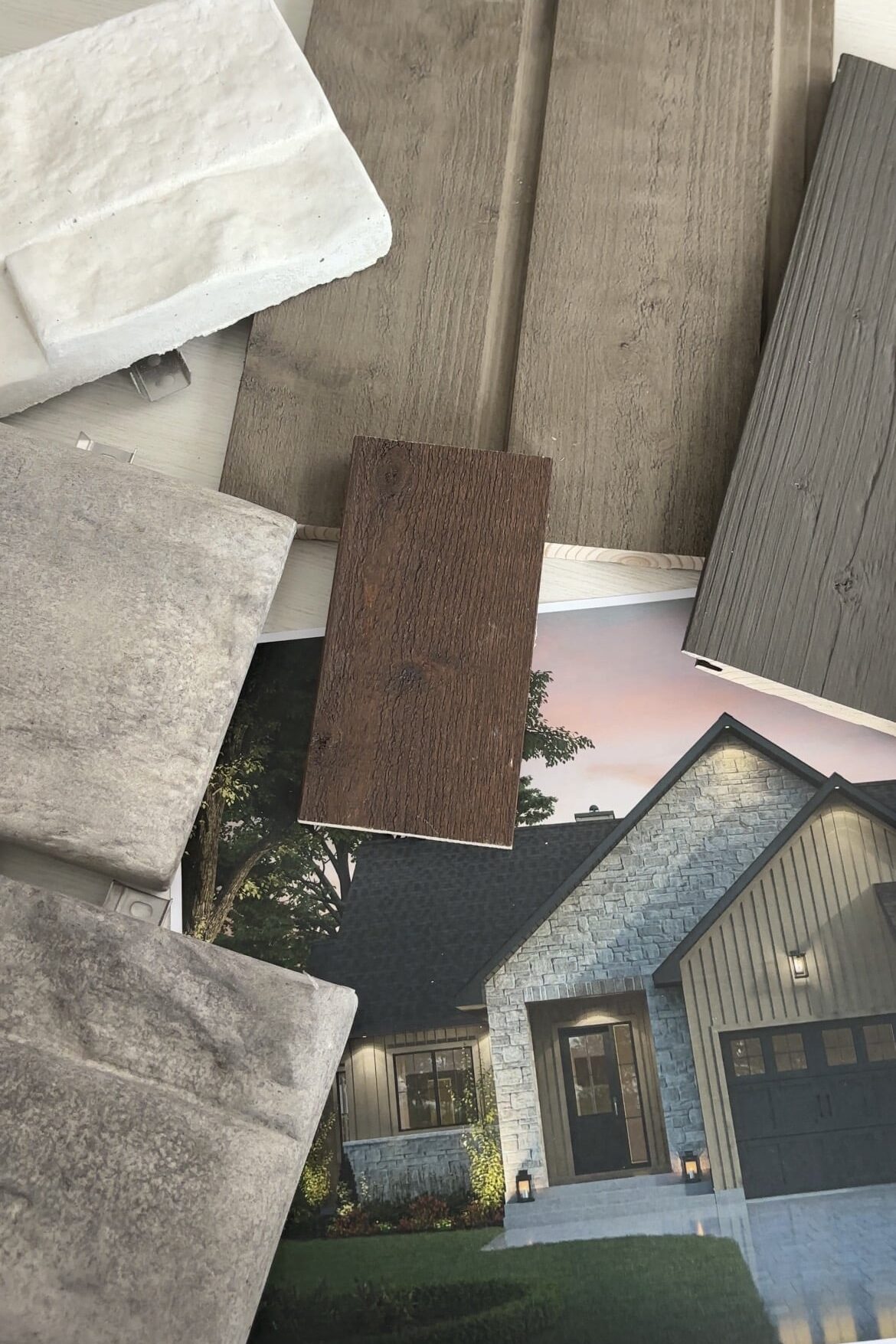
If there is one trend currently gaining momentum in residential architecture, it is the European English Country style. Richer, more textured, and more daring than the traditional farmhouse, this style captivates with its authenticity and impressive architectural presence.
For Jenn Larocque, designer and residential architecture enthusiast, it is undoubtedly her favorite style of the year.
“It's my favorite trend of the year. The English Country style is completely different from traditional farmhouse design. It features deeper colour palettes, richer materials, and architectural volumes that highlight the character of the home.”
Unlike cleaner, more symmetrical styles, European-inspired architecture celebrates asymmetry and detailed craftsmanship. Varied rooflines, narrow elongated windows, multiple volumes, and material combinations all contribute to creating homes filled with personality.
Brick detailing, decorative moldings, double cornices, and asymmetrical compositions further enhance the authenticity of this architectural style.
“I especially love the combination of raw and refined materials. It's all these little details that give European-style homes their exceptional personality.” – Jen Larocque
One of the defining characteristics of this style is its deeper, more nuanced colour palette. Natural tones take center stage, creating a warm and sophisticated exterior.
Among the Maibec colours that best embody this aesthetic, Jenn immediately points to Rocky Hills.
“If I were building my home today, this is the colour I would choose. What I love most is its complexity. You can see hints of brown, green, gray, black, and beige. It perfectly evokes natural wood and the colours you find in the forest.”
This richness reflects nature itself, where colours rarely appear uniform. The result is warm, elegant, and perfectly suited to European-inspired architecture.
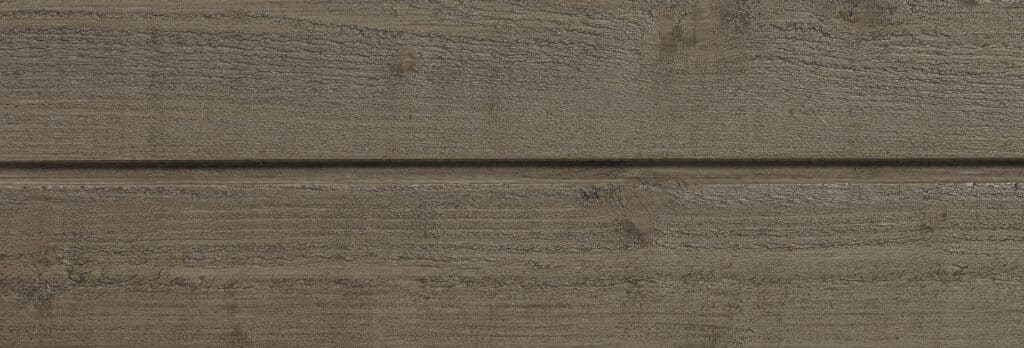
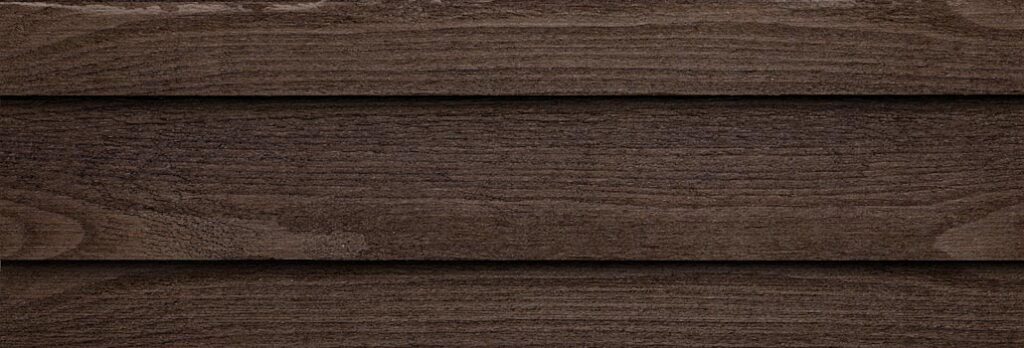

To reinforce the rustic authenticity of the English Country aesthetic, Rocky Hills pairs beautifully with Fundy Bay Brown.
This warm tone, occasionally revealing subtle reddish highlights, helps showcase features such as front doors, gables, and decorative accents. In brushed or textured finishes, it adds even greater depth and reinforces the handcrafted quality that defines this style.
“Fundy Bay Brown adds tremendous character. Used on architectural accents, it creates focal points while preserving the warm atmosphere associated with European design.” – Jenn Larocque
For those seeking a more contemporary interpretation while maintaining English Country influences, Hematite is also an excellent option.
The primary difference between Hematite and Rocky Hills lies in the finish. While Rocky Hills preserves the appearance of natural wood through tonal variation, Hematite offers a more opaque finish colour, revealing its richness through subtle undertones.
In English Country-inspired designs, texture is just as important as colour. Stone, brick, and architectural accents all contribute to creating depth and visual interest.
To complement Rocky Hills siding, Jenn particularly recommends fastened stone veneer in the the Moorecrest shade shade, featured in models such as Kathrine. This elegant colour creates a harmonious tone-on-tone effect that is highly sought after this European-inspired projects. For homeowners seeking more contrast while maintaining a balanced natural palette, Almond is another excellent option.
Far from being a passing trend, English Country architecture appeals because of its balance of elegance, authenticity, and asymmetry. Through nature-inspired colours, rich textured materials, and character-filled architecture, it offers a sophisticated alternative to traditional farmhouse design.
As Jenn Larocque points out, it is a style that confidently embraces its personality, where every detail contributes to telling a story and creating a truly unique home.
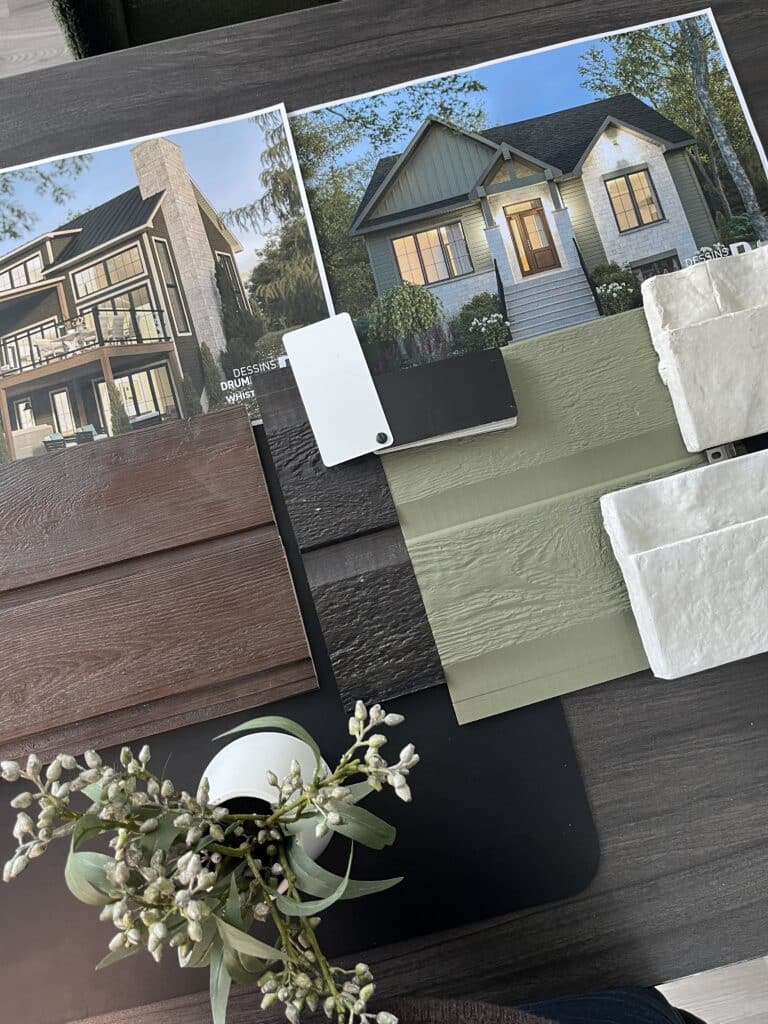
Among the trends expected to gain even greater popularity in 2026, the rustic cabin occupies a prominent position. Far beyond the traditional image of a cabin in the woods, this trend draws inspiration from nature, authentic materials, and comforting colours to create warm and inviting homes.
For Jenn Larocque, this aesthetic will continue to appeal both to primary homeowners and to those looking to bring a more organic feel to their residence.
“When we talk about cabin style, we're really talking about an inspiring lifestyle. It isn't necessarily a cabin in the literal sense, but rather a way of creating a home that evokes comfort, nature, and simplicity.”
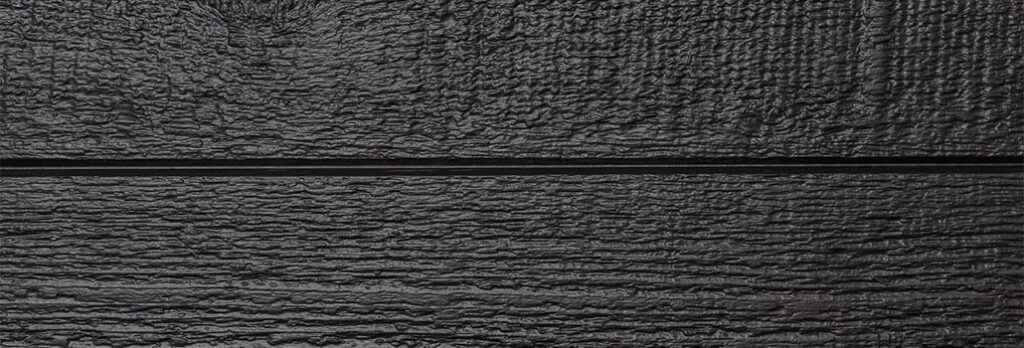
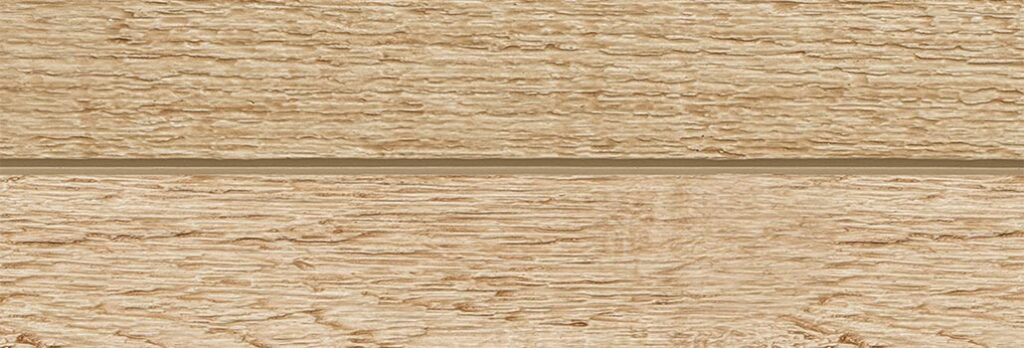
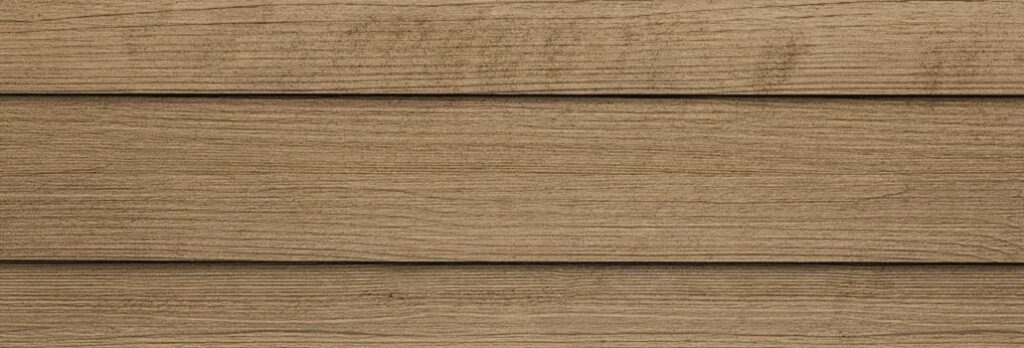
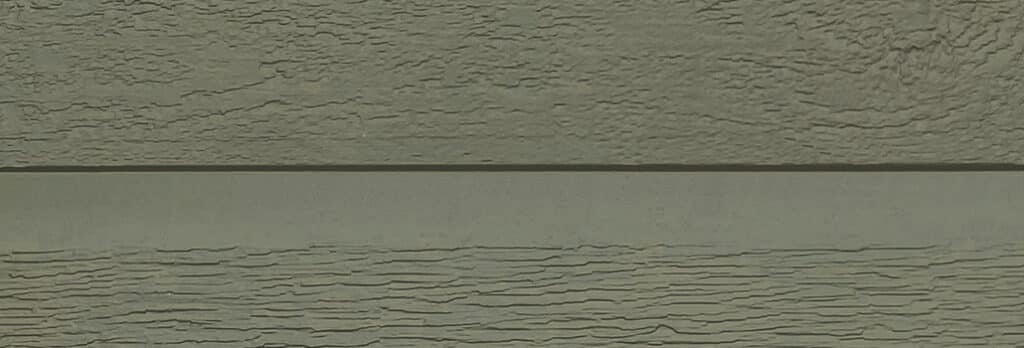
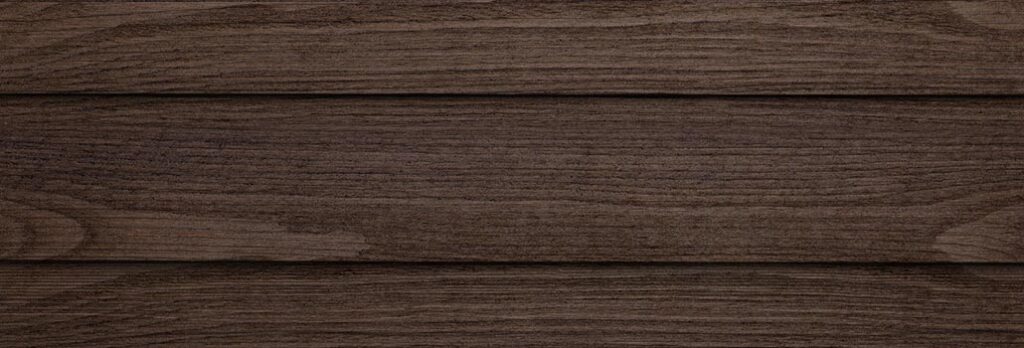
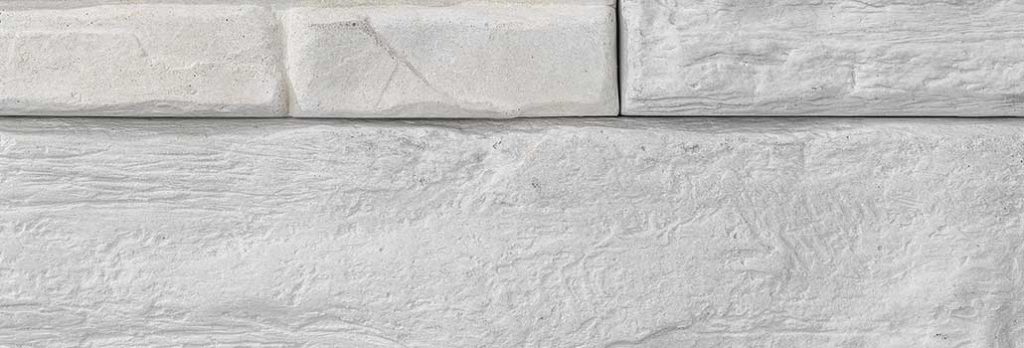
One of the most popular approaches within this trend centers around warm, dark colours that create a strong visual presence.
Dark roast from the CanExel product line fits perfectly within this aesthetic. To prevent the overall look from becoming too uniform, Jenn recommends incorporating lighter accents to highlight architectural details.
“I love creating contrast with Maibec's Scandinavian two-tone colour, from Maibec CanExel Engineered siding, to emphasize the home's architectural details. Even when the architecture itself is relatively simple, these contrasts add tremendous personality.”
Black window trim also remains a defining feature of this rustic interpretation and pairs beautifully with darker cladding colours.
Among the other shades that naturally complement this palette, Jenn particularly favors Sunkissed Beige and Sandbanks, which she considers among her favorite colours for creating sophisticated, warm accents.
A second colour palette is also emerging strongly within rustic chalet-inspired projects: natural greens.
Toundra, available within the CanExel collection, stands out with its deep organic hues reminiscent of forest landscapes.
“Tundra is a beautiful green. In fact, I was involved in selecting the green shades from several proposed options. It's a colour I absolutely love.”
Directly inspired by nature, this shade creates a soothing atmosphere while adding a distinctive personality to the facade. Toundra pairs naturally with rich browns such as Fundy Bay Brown, a warm tone that recalls wood and forest colours. To avoid creating an overly dark appearance, Jenn recommends balancing the palette with lighter materials.
“I really enjoy pairing Tundra with a chocolate brown like Fundy Bay Brown. If you're looking to create beautiful contrast while maintaining a natural feel, adding a lighter Fastened stone veneer is an excellent solution.”
Stone shades such as Almond introduce brightness, highlight architectural volumes, and provide complementary texture. The contrast remains soft and natural while preserving the warm ambiance desired.
This approach is beautifully showcased in the Toundra model by Drummond House Plans, where the combination of green siding and light Acenta Fastened stone veneer creates a facade rich in character and inspired by nature.
Whether you're drawn to the softness of the modern farmhouse, the elegance of English Country-inspired architecture, or the charm of forest-inspired rustic cabin, the most important thing is creating an environment that reflects your personality and will stand the test of time.
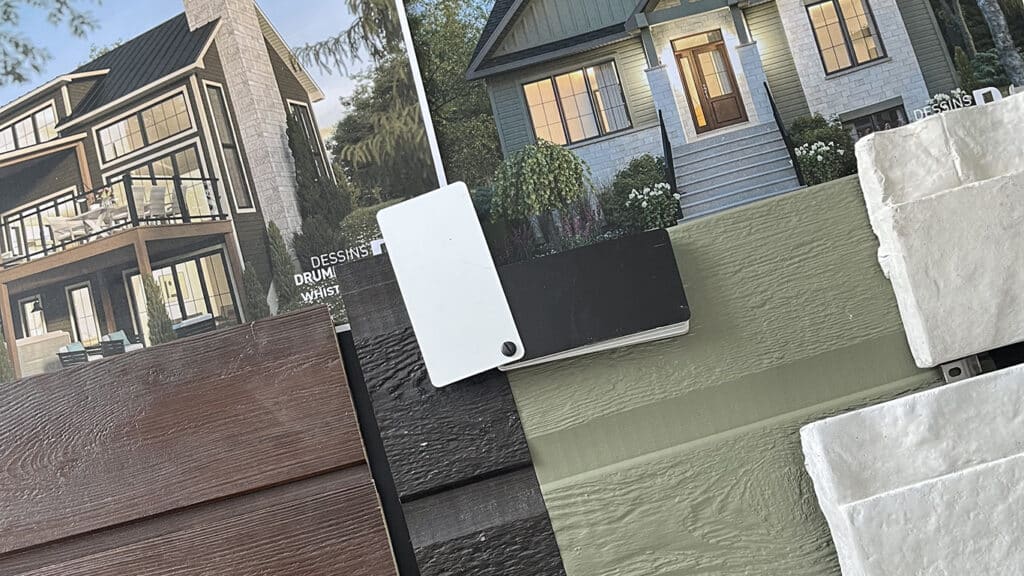
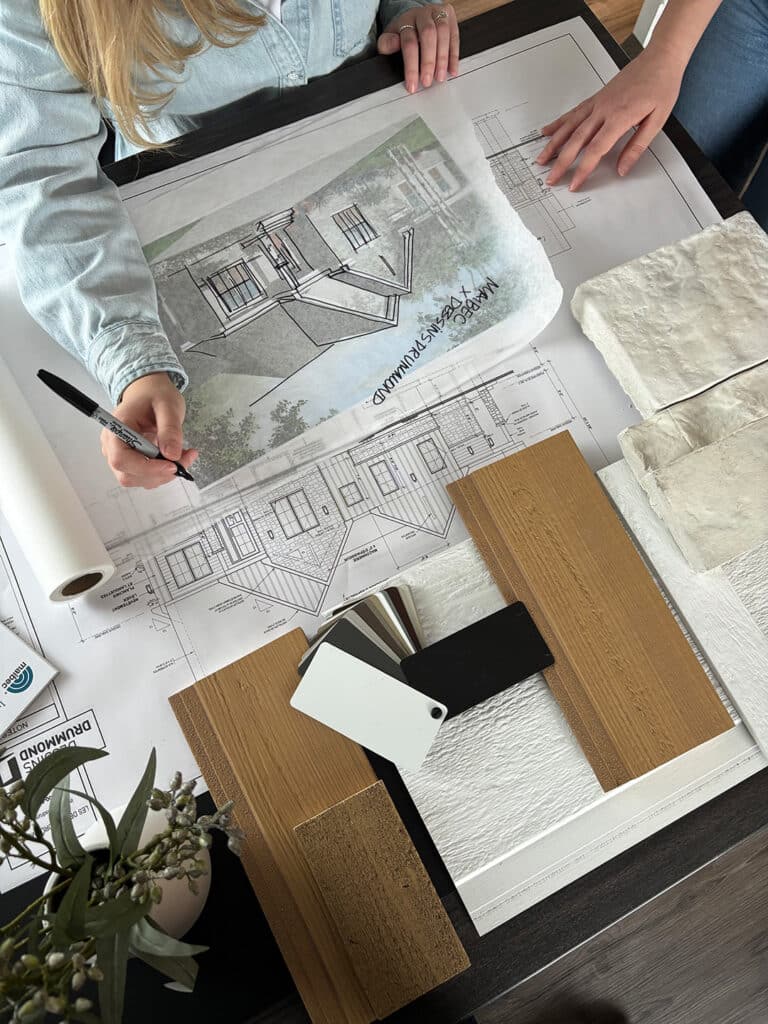
Before making your final decision, take the time to explore real-world projects. Drummond House Plans models are an excellent source of inspiration for visualizing the impact of colours, textures, and materials across a variety of architectural styles.
Finally, nothing replaces seeing materials in person. Ordering Maibec samples allows you to evaluate colours under natural light and fully appreciate their nuances within the context of your project.
As Jenn Larocque reminds us, it's often the smallest details that make all the difference, transforming a beautiful house into a truly unique home.
We hope these trends inspire your next exterior project.

 French French
  English (Canada)
 English (United States)